You are lying in bed and a hippo grunts somewhere near the river. Is that thirty feet away or three hundred? In a tented camp, you will know the answer more clearly than in a lodge, and for a lot of honeymoon couples, that closeness is the whole point of the trip. For others, it is exactly what keeps them up at night. Neither choice is wrong. This tented camp vs lodge safari Kenya guide gives you real prices, real camp names, and the honest details that most safari blogs skip.
What Is a Tented Camp?
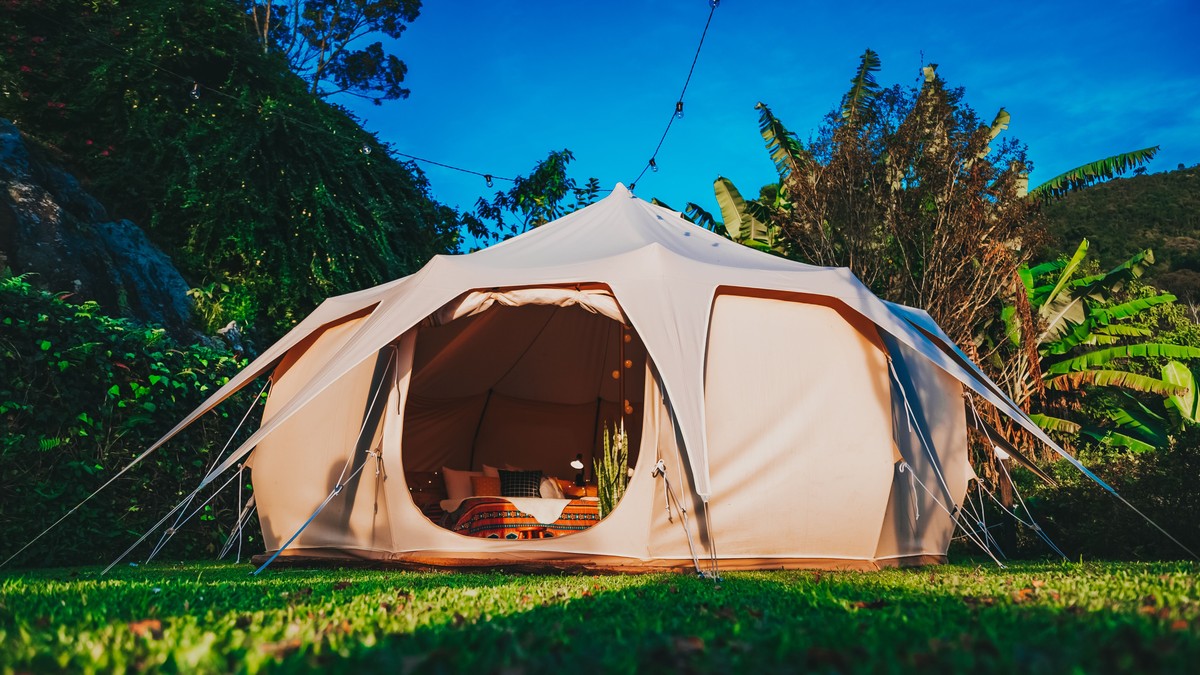
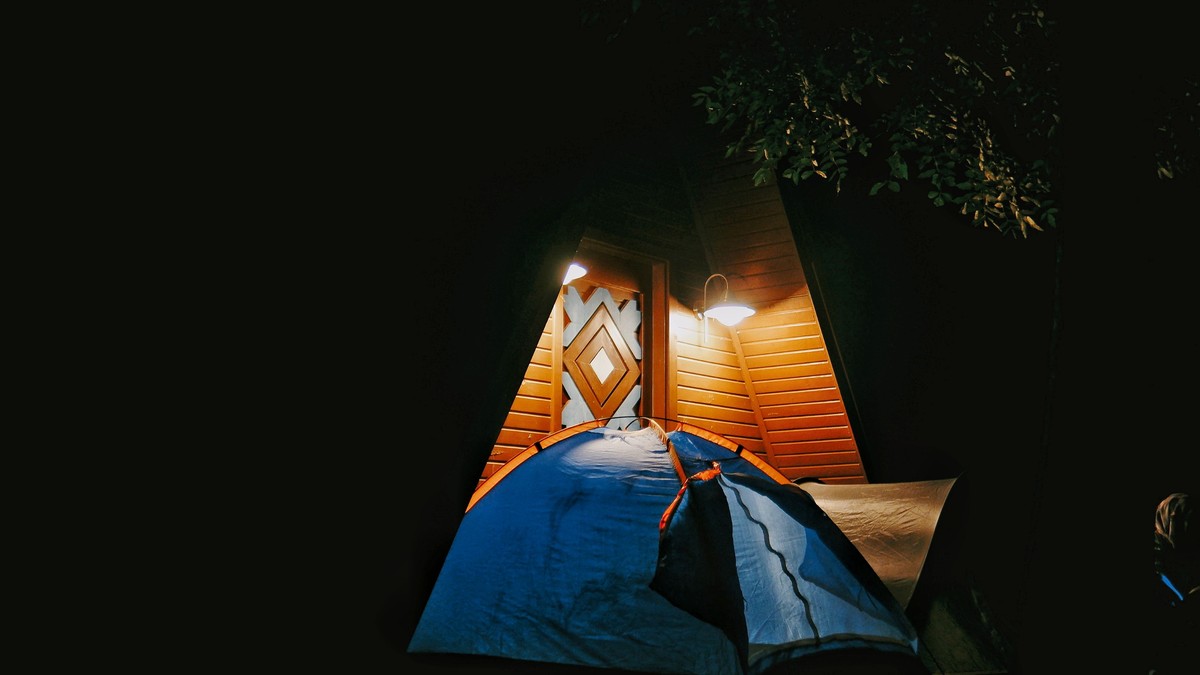
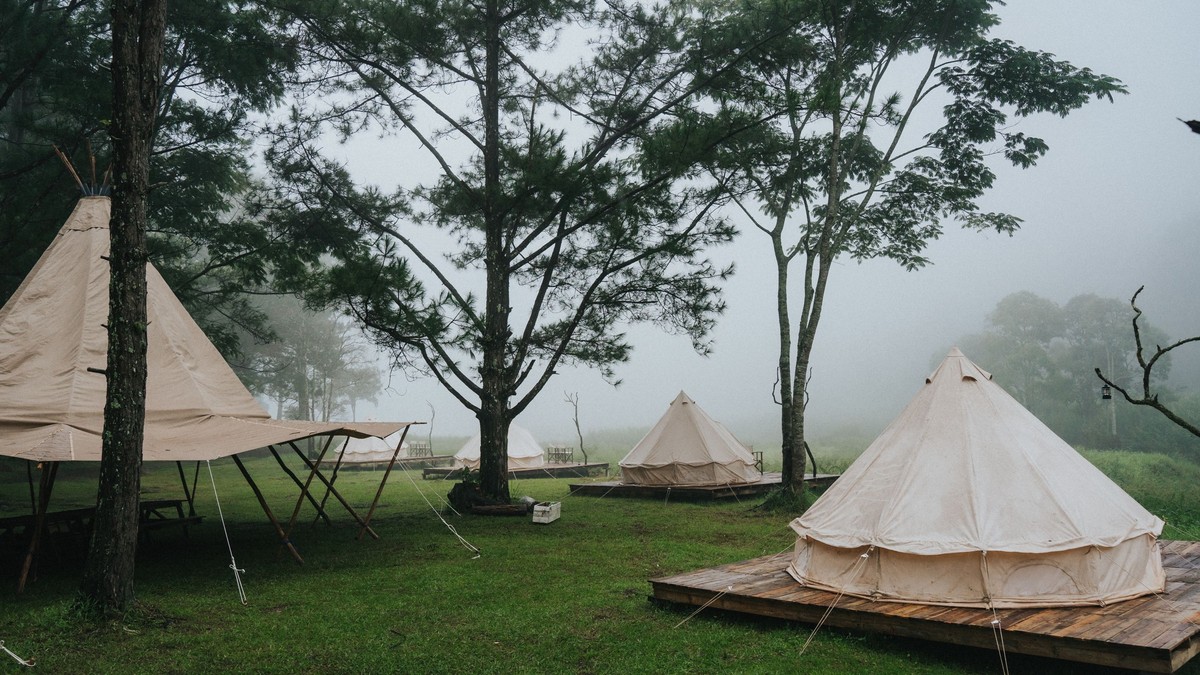
A tented camp is a cluster of large canvas tents set on raised wooden platforms, usually spaced along a river or a tree line. Each tent has a proper bed, an ensuite bathroom with a flush toilet and shower, and mesh-screened windows instead of glass. The walls are canvas, not stone, so you hear the bush rather than block it out. Most camps are semi-permanent, meaning they can be dismantled and moved if a river floods or a concession lease changes. A raised veranda in front of your tent often looks straight onto a waterhole or dry riverbed.
What Is a Safari Lodge?
A lodge is a permanent building, usually stone, timber, or thatch, with individual rooms or cottages connected by walkways. Lodges tend to have swimming pools, a bar, a lounge with wifi, and sometimes a spa. Walls are solid, windows have glass and screens, and the whole property is often fenced or has a boundary that keeps large animals from wandering between rooms. Lodges scale up more easily than tented camps, so you will find properties with 80 or more rooms, which suits big groups and family reunions better than a 10-tent camp does.
Tented Camp vs Lodge Safari Kenya: A Quick Comparison
| Feature | Tented Camp | Safari Lodge |
|---|---|---|
| Structure | Canvas on raised platform | Stone, timber or thatch, permanent |
| Typical size | 6 to 20 tents | 20 to 100+ rooms |
| Wildlife proximity | Very close, often unfenced | Moderate, often fenced boundary |
| Night sounds | Loud and close | Muffled by solid walls |
| Wifi and generator hours | Limited, often 6am to 10pm | Usually 24 hour power and wifi |
| Hot water | Bucket shower or solar, some on-demand | On-demand, standard plumbing |
| Indicative price per night, per person sharing, all-inclusive | USD 150 to 3,000 | USD 120 to 900 |
| Best suited to | Couples, honeymooners, photographers | Families, groups, first-time flyers |
Atmosphere: How Close Do You Get to the Wild?
This is the real trade-off. In camps like Elephant Bedroom Camp in Samburu, elephants genuinely walk through camp between tents at dusk. At Angama Mara, perched on the edge of the Oloololo Escarpment above the Maasai Mara, you look down over the whole reserve while zebra graze below the deck. That immersion is why honeymoon couples keep choosing tents even when a lodge would be cheaper. A lodge gives you the same wildlife by day, on game drives, but the evening feels calmer and less charged. If you want your sundowner to feel like part of the wild rather than a view of it, a tented camp wins this round.
Comfort and Weather: Rain, Heat, and Cold
Canvas handles Kenya’s climate better than people expect. During the November short rains or the April long rains, a storm on a canvas roof can sound loud and startling. Well-built tents handle it well, with a steep double-layer roof and gutters that shed water fast. Cheaper tents can still let in a fine mist during a sideways storm, so ask your operator about the roof design before you book during rainy season. Heat is well managed with tent flaps, roll-up sides, and battery fans, though midday in Tsavo East in February can still push past 34°C in either format. Cold nights on the Laikipia plateau or in the Mara in July can drop to around 10°C. Both tents and lodges handle this with hot water bottles and thick duvets, so it is rarely a deciding factor.
Malaria and Mosquito Protection
Mosquito exposure is roughly the same in a tent or a lodge at the same altitude and season, since the real variable is the region, not the building. Amboseli, Tsavo, and the lower Mara carry real malaria risk year round, while camps above 2,000 metres, like those around Nairobi or the Aberdares, carry far less. Good tented camps use tightly sealed mesh, tucked mosquito nets, and evening spraying routines, and the better ones are just as effective as a sealed lodge room. If avoiding the risk altogether matters more to you than the format of your room, it is worth reading about the malaria-free national parks in Kenya before you build your itinerary.
Safety at Night: Predators and Escorts
No tented camp in Big Five country leaves guests to walk around alone after dark. Standard practice is a staff escort with a torch from the dining tent back to your room, and most camps give you a whistle or a radio to call for help if you hear something close. Tents zip fully shut and have a solid canvas skirt at ground level, so animals almost never enter, though a curious hyena sniffing the guy ropes at 2am is a story most Mara guides can tell you. Lodges use the same escort system, but solid doors and sometimes an electric boundary fence make the whole experience feel more contained. Both formats have strong safety records when you follow the camp’s rules, mainly staying inside after dark and never walking to your tent without a guide.
Cost: Named Camps and Lodges by Park
Prices shift with season, and July to October and late December carry the highest rates. These are indicative 2026 per-night bands, per person sharing, on an all-inclusive basis.
| Park | Drive from Nairobi | Example tented camp | Tented camp price band | Example lodge | Lodge price band |
|---|---|---|---|---|---|
| Maasai Mara | 270 km, 5 to 6 hrs (or 45 min flight) | Governors’ Camp | USD 500 to 1,100 | Sarova Mara Game Camp | USD 300 to 550 |
| Amboseli | 240 km, 4 to 5 hrs (or 45 min flight) | Tortilis Camp | USD 600 to 1,300 | Ol Tukai Lodge | USD 250 to 450 |
| Samburu | 325 km, 5 to 6 hrs (or 1 hr flight) | Elephant Bedroom Camp | USD 450 to 900 | Samburu Sopa Lodge | USD 200 to 380 |
| Tsavo East / West | 240 to 330 km, 4 to 5 hrs | Severin Safari Camp | USD 300 to 650 | Voi Wildlife Lodge | USD 120 to 280 |
Park fees add to these rates and vary by park, typically in the range of USD 60 to 100 per adult per day for non-residents, so always confirm the current gate fee with your operator when budgeting. For a full breakdown of what is bundled into a nightly rate versus billed separately, our piece on the real costs of all-inclusive vs a la carte safaris walks through it park by park.
Best For: Honeymooners, Families, and Groups
Honeymoon couples generally get more romance per dollar from a small tented camp. Fewer rooms mean quieter common areas, more private dining setups, and staff who learn your names by day two. Camps with 8 to 12 tents, like Ashnil Mara or Rekero Camp, keep things intimate without the ultra-luxury price tag of a 6-tent exclusive-use property. If a private plunge pool matters to you, several properties now build one into every tent, and our guide to Kenya honeymoon safari lodges with private plunge pools rounds up the best of them. Families with young children often do better in a lodge, where a pool, a wider dining room, and sometimes a kids’ program give restless energy somewhere to go. Groups of eight or more traveling together usually find lodges easier to book as a block, since larger camps can hold more rooms under one roof.
Choose a Tent If, Choose a Lodge If
Choose a tented camp if you want to fall asleep to real bush sounds, you are traveling as a couple or in a small group, and you do not mind limited wifi for a few nights. Choose a lodge if you are traveling with young children, you want a reliable pool and full-time power, or your group is larger than six people. Neither choice is a downgrade. It is a different kind of night in the same wild place.
Mix Both: One Trip, Two Kenya Parks
You do not have to choose only one. A common Valley Safaris itinerary opens with three nights in a Mara tented camp for the immersion and the game drives, then closes with two nights in an Amboseli lodge, where Mount Kilimanjaro fills the horizon and the pace slows down. Splitting a nine or ten day trip this way gives you the intensity of canvas early on and the ease of a lodge before you fly home, and it spreads your budget across both price tiers instead of maxing out one.
The Valley Safaris Difference
We have sat in both formats often enough to know the brochure descriptions rarely match the real experience. We check the mesh on the tents ourselves, ask camp managers what time the generator actually shuts off, and only recommend places where our own guides have stayed. Every itinerary we build for a honeymoon couple factors in your budget tier, the season you are traveling, and whether you want one format or both, rather than pushing a single set of partner properties. That is the difference between a booking agent and a friend who has actually slept there.
Plan Your Kenya Honeymoon Safari
If you are weighing a tented camp against a lodge for your own trip, we would love to help you choose. Visit our honeymoon safari tours page to see current itineraries, or reach out through our contact page and we will build something around your dates and budget.